Explore the hardy vegetation that thrives in walls, sidewalks, and barren landscapes in this captivating new publication
In the bustling towns and cities of the UK, a world of unexpected flora thrives, and a new book by botanist Trevor Dines, titled "URBAN PLANTS," offers a fascinating guide to understanding these unusual urban habitats. Published by Bloomsbury, this deeply researched work retails at £40 and carries the ISBN 978-1399407496.
The book is divided into four parts, starting with a brief history of urban plants, delving into the roots of urban botany, discussing how plants ended up in towns, and exploring the future of urban botany. The latter includes intriguing topics like the politics of urban wildflower meadows versus grassland meadows, dog-pee zones, and pavement heave from tree roots.
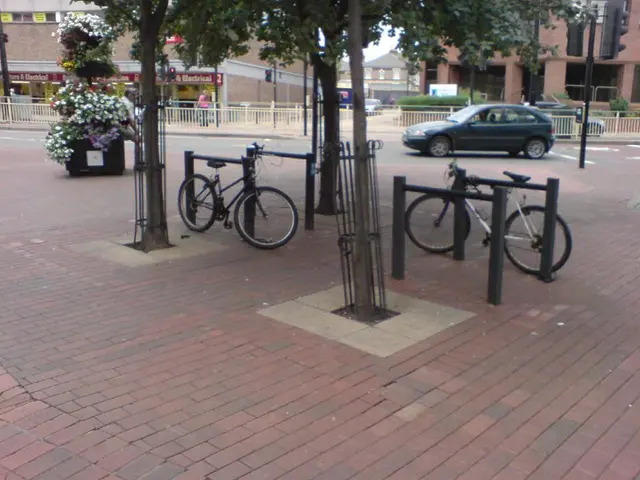
"URBAN PLANTS" provides a comprehensive guide to a wide range of urban habitats, such as pavements, walls, urban fallow (wasteland), waysides (grassy bits), and urban trees. This book is not primarily a plant identification guide but rather a guide to understanding these unique environments.
The author, Peter Del Tredici, sheds light on the constant state of flux in urban areas, a dynamic pattern of growth, innovation, declines, redevelopment, and renewal. This flux is further influenced by the urban heat effect, which allows certain plants like loquats and avocados to thrive in urban environments.
Interestingly, 51% of the British flora now comprises species from other countries. However, this book does not delve deeply into this aspect, focusing instead on the urban habitats themselves.
Alys Fowler, a reviewer of the book, is known for her work on plants in all their guises. Her latest book, Peatlands (Hodder Press, £20), is a testament to her passion for the natural world. Unfortunately, the details about Alys Fowler's latest book, such as the cost, publisher, or ISBN number, are not discussed in "URBAN PLANTS."
"URBAN PLANTS" is part of a collection of British wildlife guides, marking the 15th book in the series. It's a must-read for both academics and amateurs alike, offering a fresh perspective on the often overlooked world of urban botany.
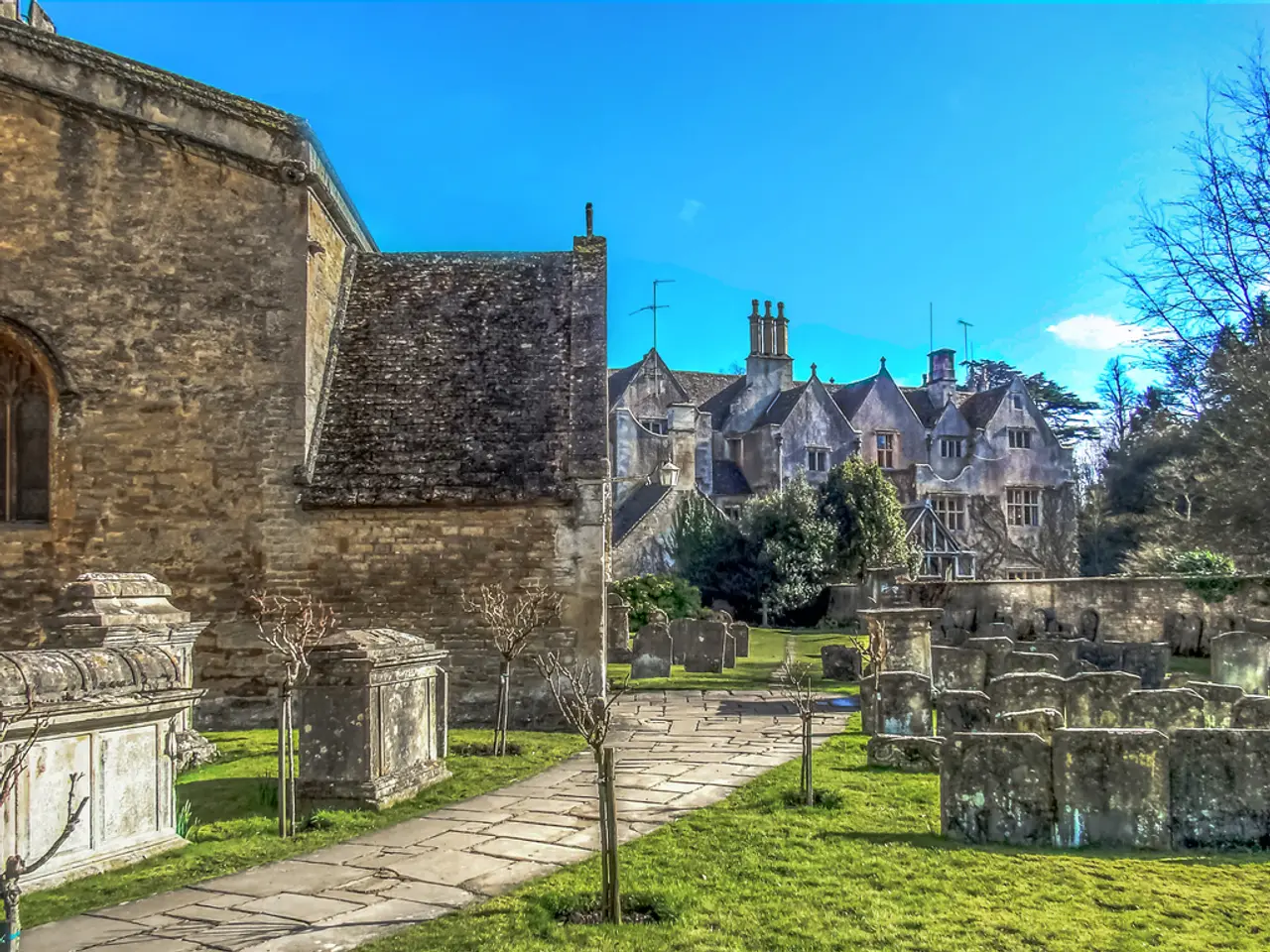
Remains of olives, celery, dill, fennel, and coriander have been found at the bottom of wells dating back to between 10 BCE and 80 CE in Calleva (now Silchester), indicating that the Romans and other inhabitants ate well. This historical evidence further emphasises the long-standing relationship between humans and urban plants.
In conclusion, "URBAN PLANTS" offers a captivating exploration of the world of urban botany, providing a guide to understanding these unique habitats and the plants that thrive within them. Whether you're an urban dweller or a botany enthusiast, this book is sure to pique your interest and deepen your appreciation for the natural world in our cities.
Read also:
- Overhauling the academic health system's monetary strategies: Insights into a Financial Chief Officer's innovative tactics.
- Analyzing Gaming Mastery: Deep Dive into Player Performance Evaluation for Wagering Purposes
- Improved Insulin Production, Enhanced Extracts, and Mushrooms for Taste Enhancement
- Salzgitter AG takes a green direction, focusing on environmentally friendly steel production.